
← Recommended Sites
Erik Craddock
Erik Craddock@eriklink

Anthropic's Mythos AI model sparks fears of turbocharged hacking

AI-enabled cyber attacks were up 89 percent in 2025 compared with a year earlier, according to data from security group CrowdStrike. Meanwhile, the average time between an attacker first gaining access to a system and acting maliciously fell to 29 minutes last year, a 65 percent acceleration from 2024.

Anthropic's Mythos AI model sparks fears of turbocharged hacking

Ars Technica

Anthropic's Mythos AI model sparks fears of turbocharged hacking

Cyberdefenses could be exposed faster than fixes could be deployed.

linkvia Ars Technica
0 Replies0 Boosts0 Likes

Erik Craddock
Erik Craddock@eriklink

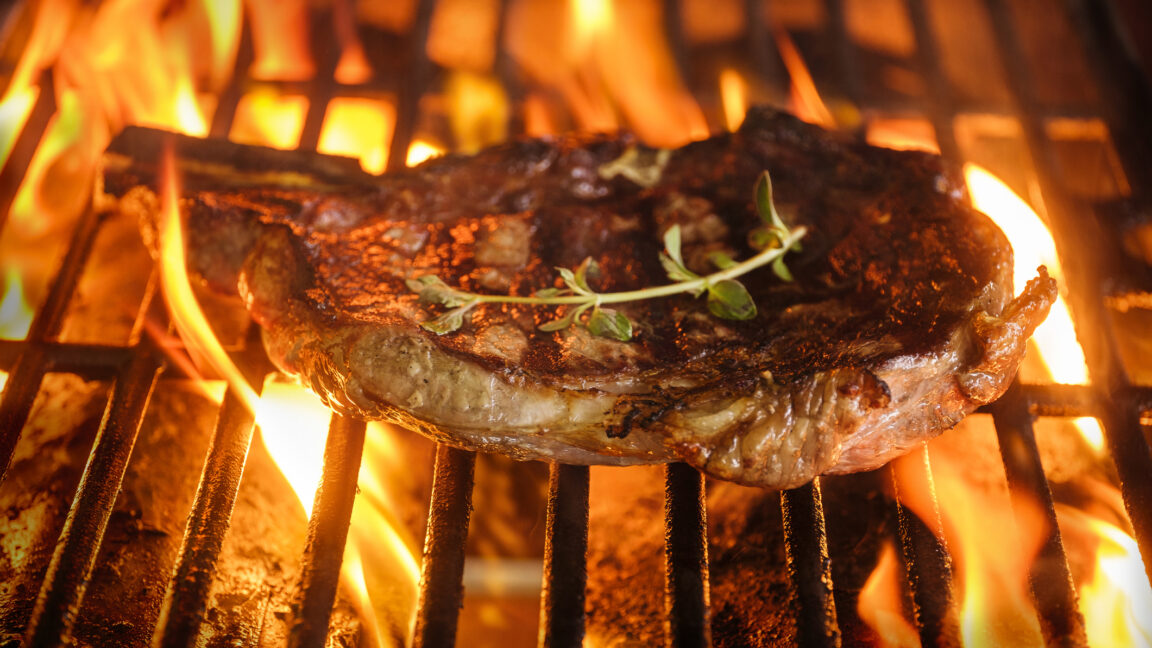
Red meat allergy from tick bites is spreading both in US and globally

This delayed allergic reaction is called alpha-gal syndrome. While it’s commonly called the “red meat allergy,” that nickname is misleading, because alpha-gal syndrome can cause strong reactions to many products, beyond just red meat.

The syndrome is also rapidly spreading in the US and around the globe. The Centers for Disease Control and Prevention estimates as many as 450,000 people in the US may have it. And it’s carried by many more tick species than most people realize.

“Red meat allergy” from tick bites is spreading both in US and globally

Ars Technica

“Red meat allergy” from tick bites is spreading both in US and globally

Remember to check for ticks after your next stroll through the woods or long grasses.

linkvia Ars Technica
0 Replies0 Boosts0 Likes
Erik Craddock
Erik Craddock@eriklink

Conspiracy theorists don’t realize they’re on the fringe

Overconfidence is one of the most important core underlying components, because if you're overconfident, it stops you from really questioning whether the thing that you're seeing is right or wrong, and whether you might be wrong about it. You have an almost moral purity of complete confidence that the thing you believe is true. You cannot even imagine what it's like from somebody else's perspective. You couldn't imagine a world in which the things that you think are true could be false. Having overconfidence is that buffer that stops you from learning from other people. You end up not just going down the rabbit hole, you're doing laps down there.

Conspiracy theorists don’t realize they’re on the fringe

Ars Technica

Conspiracy theorists don’t realize they’re on the fringe

Gordon Pennycook: "It might be one of the biggest false consensus effects that's been observed."

linkby Jennifer Ouellettevia Ars Technica
0 Replies0 Boosts0 Likes

Erik Craddock
Erik Craddock@eriklink

The résumé is dying, and AI is holding the smoking gun

So perhaps résumés as a meaningful signal of candidate interest and qualification are becoming obsolete. And maybe that's OK. When anyone can generate hundreds of tailored applications with a few prompts, the document that once demonstrated effort and genuine interest in a position has devolved into noise.

The résumé is dying, and AI is holding the smoking gun

Ars Technica

The résumé is dying, and AI is holding the smoking gun

As thousands of applications flood job posts, 'hiring slop' is kicking off an AI arms race.

linkby Benj Edwardsvia Ars Technica
0 Replies0 Boosts0 Likes

Erik Craddock
Erik Craddock@eriklink

MCP: The new USB-C for AI that’s bringing fierce rivals together

MCP has also rapidly begun to gain community support in recent months. For example, just browsing this list of over 300 open source servers shared on GitHub reveals growing interest in standardizing AI-to-tool connections. The collection spans diverse domains, including database connectors like PostgreSQL, MySQL, and vector databases; development tools that integrate with Git repositories and code editors; file system access for various storage platforms; knowledge retrieval systems for documents and websites; and specialized tools for finance, health care, and creative applications.

To make the connections behind the scenes between AI models and data sources, MCP uses a client-server model. An AI model (or its host application) acts as an MCP client that connects to one or more MCP servers. Each server provides access to a specific resource or capability, such as a database, search engine, or file system. When the AI needs information beyond its training data, it sends a request to the appropriate server, which performs the action and returns the result.

MCP: The new “USB-C for AI” that’s bringing fierce rivals together

Ars Technica

MCP: The new “USB-C for AI” that’s bringing fierce rivals together

Model context protocol standardizes how AI uses data sources, supported by OpenAI and Anthropic.

linkby Benj Edwardsvia Ars Technica
0 Replies0 Boosts0 Likes